How Long Will a Dental Inlay Last?

A dental inlay can last between five to 20 years. The lifespan of a dental inlay depends on certain factors. For instance, a dental inlay that suffers extensive wear and tear and does not get adequate care will probably not last a long time. If you clean the dental restoration and practice good oral care, it will stand a better chance and survive more years of use.
Overview of dental inlays
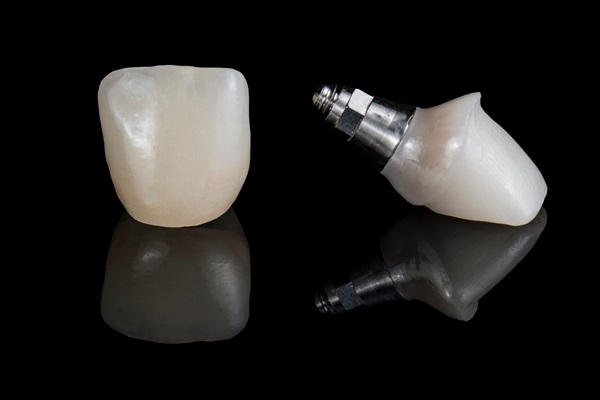
A dental inlay is formed in a dental lab from highly durable materials, such as porcelain or composite. It is considered a conservative restoration because they preserve most of the tooth’s structure. By restoring the structure of the tooth, it is possible to maximize the cosmetic appeal of the teeth. The restoration is also matched to the existing tooth so it is completely indistinguishable from the rest of the teeth.
A dental inlay is used to repair a natural tooth that has suffered extensive damage that cannot be fixed with a tooth filling but is not severe enough to need a dental crown. The restoration is placed on the chewing surface of the teeth between the cusps.
Factors that determine the lifespan of dental inlays
A person’s oral hygiene habits play a major role in determining whether their dental inlay will stand the test of time. A person’s habits regarding their oral cavity make a significant difference regarding whether a dental inlay fails prematurely or continues to serve its purpose several years into the future. A dental inlay requires proper care, as well as regular professional checkups at the dental office.
Aside from brushing and flossing the teeth at least twice per day, patients can also extend the lifespan of their dental inlay by shunning bad oral habits, such as grinding or clenching the teeth, chewing on hard substances or playing sports without a mouthguard. Many times, patients engage in teeth grinding at night unconsciously. It is advisable to talk to the dental professional about getting a lasting solution before the habit compromises the tooth’s structure.
How long should a dental inlay last?
It is hard to provide an accurate estimate of how long the dental inlay will last. At the minimum, one can expect to get about five years of use from a dental inlay. At most and with proper care, patients can get up to two decades from the inlay. These figures are only estimates; some people may have their dental restoration for a lifetime. On average, the inlay may last for 10 years.
Final note
The lifespan of a dental inlay depends on the level of care it gets. Certain bad habits put undue pressure on the teeth, which may damage the restoration. If you are looking to get dental inlays, contact the dental office to get started.
Request an appointment here: https://www.socalsmilecare.com or call SoCal Smile Care at (310) 856-9321 for an appointment in our Carson office.
Check out what others are saying about our services on Yelp: Dental Inlay in Carson, CA.
Related Posts
A new dental filling restores tooth structure, and smart aftercare helps it last. Understanding the importance of care and maintenance after you get a new filling can significantly improve your dental health and overall well-being. The following tips can help you maintain optimal oral hygiene to protect and extend the lifespan of your dental fillings. Patients…
An implant crown is made of strong and safe materials to give the patient a reliable long-term replacement option for missing teeth. If you have questions about the materials used to make an implant crown, this review can help you understand what exactly each component is made of and why dentists use these particular materials.There…
Teeth whitening works by applying a peroxide gel that lifts stains from enamel, the tooth’s outer layer. Custom trays hold the gel evenly against the teeth, promoting consistent shade change while limiting gel on the gums. As a general dentist, the focus stays on fit, concentration, and timing to help patients whiten gradually and comfortably.…
Invisalign® is a fast way to straighten teeth, using clear, removable trays. However, smoking can negatively impact patient comfort and aligner appearance throughout treatment. It can even prolong treatment times. Learning more about how smoking can affect Invisalign treatment can help motivate patients to limit or quit tobacco altogether.Smoking tobacco can reduce the efficacy and…